info@lamalcontentaeillupo.com
© La Malcontenta e Il Lupo
Design and Photo by Zuzù

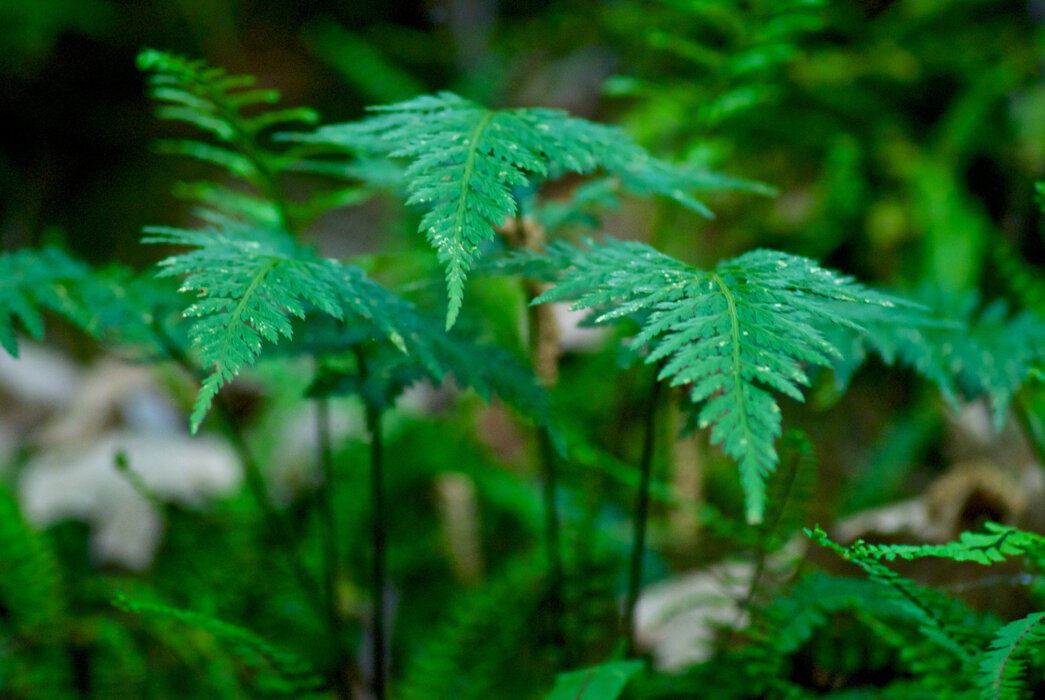

Scientific research
The WWF Oasis La Malcontenta and the Wolf is mainly engaged in scientific research and the conservation of species and genetic diversity.
The WWF Oasis La Malcontenta e il Lupo is a protected area that includes several habitats of naturalistic value. It features very diverse environments rich in biodiversity: typical wetland environments, naturally evolving forests, phenomena of climatic inversion, ecosystems that host flora and fauna of considerable interest, including the abundant presence of wild orchids.
The protection and maintenance of biodiversity is the main mission, as well as the scientific dissemination of the research that will be carried out and communication aimed at increasing knowledge of wild flora and fauna.
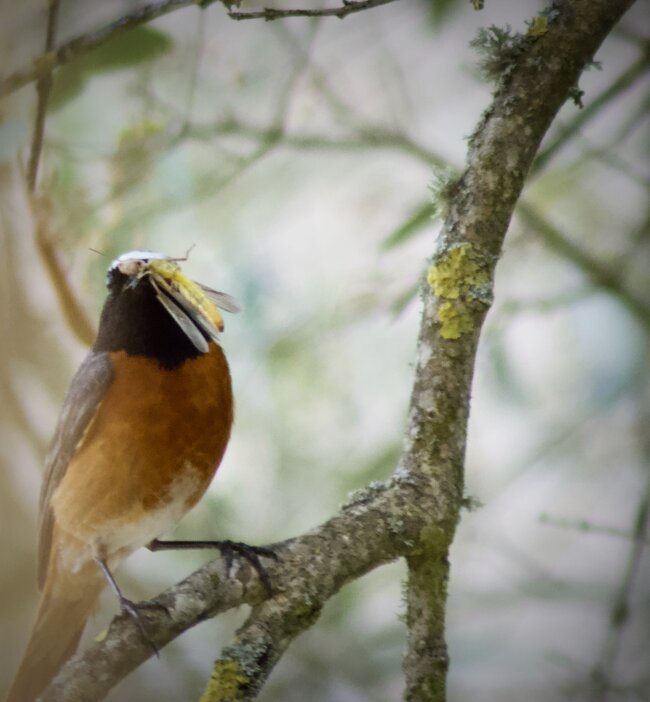
The WWF Oasis La Malcontenta and the Wolf was created with the idea of becoming a reference point for Natural Sciences
for the scientific research carried out by this faculty and pertaining to various universities, as well as for interfaculty research with an environmental focus.
The WWF Oasis is therefore also open to thesis students and thus to the carrying out of research for degree theses from the Faculties of Natural Sciences.
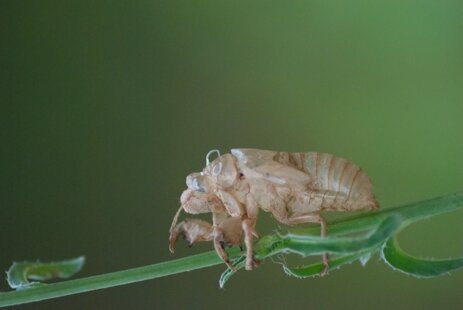
Some of the scientific collaborations of the WWF Oasis La Malcontenta and the Wolf:
WildUmbria
We are an Association founded in 2015, established by a group of young enthusiasts with extensive professional experience in zoology and veterinary medicine. Our mission is to promote environmental and wildlife management in Umbria, collaborating with public bodies, private entities, citizens, and other associations.
Since 2017, we have been granted by the Umbria Region the service of rescuing injured or distressed wildlife throughout the entire regional territory, with 24/7 availability, seven days a week.

Life Imagine
Life Project of the Umbria Region in collaboration with the University of Perugia, University of L’Aquila, University of Camerino – School of Architecture and Design (SAD), Comunità Ambiente Srl, Regional Forestry Agency – AFOR, University of Sassari, Hyla Naturalistic Studio srl, Monti Sibillini National Park.
The WWF Oasis La Malcontenta and the Wolf collaborates in monitoring actions through camera trapping.
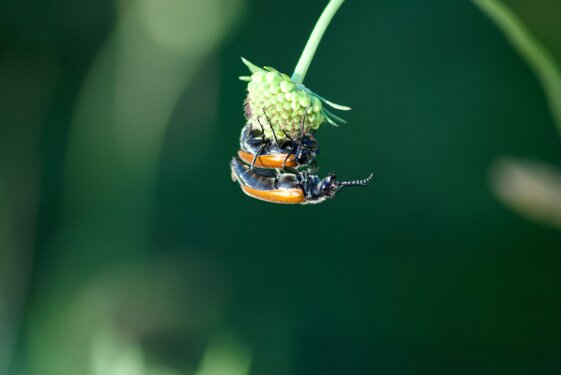
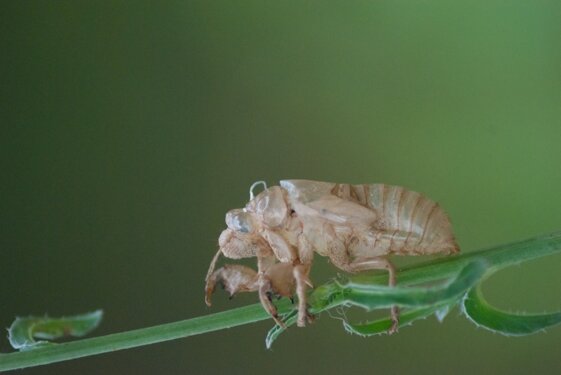
CONSERVATION AREAS
THE WWF OASES
Oases protect wildlife, plant species, and safeguard nature. The environment is a resource for everyone; it improves the quality of our lives. Studying it creates new possibilities in the fields of scientific, medical, and technological discoveries. By protecting the environment, we protect ourselves. Let us promote a world in which human beings live in harmony with nature.
Conservation areas are protected zones that are normally not open to the public and play a primary role, as they safeguard areas of great natural value and are useful for scientific research. This is why the forests of the WWF Oasis La Malcontenta and the Wolf are managed for natural evolution: because nature is studied as it spontaneously evolves and lives, only under these conditions can we truly understand how it behaves, and thus make important discoveries that involve our own lives and health. Ancient trees and forests, rare floristic entities or those at the edge of their distribution range, well-preserved ecosystems protected at the European level are just some of the reasons why an environment is “conserved.” It is also conserved to enrich neighboring environments, to rebalance other ecosystems, because in this way, in the end, everyone can enjoy it, and every form of life can benefit from the other in the utmost respect.
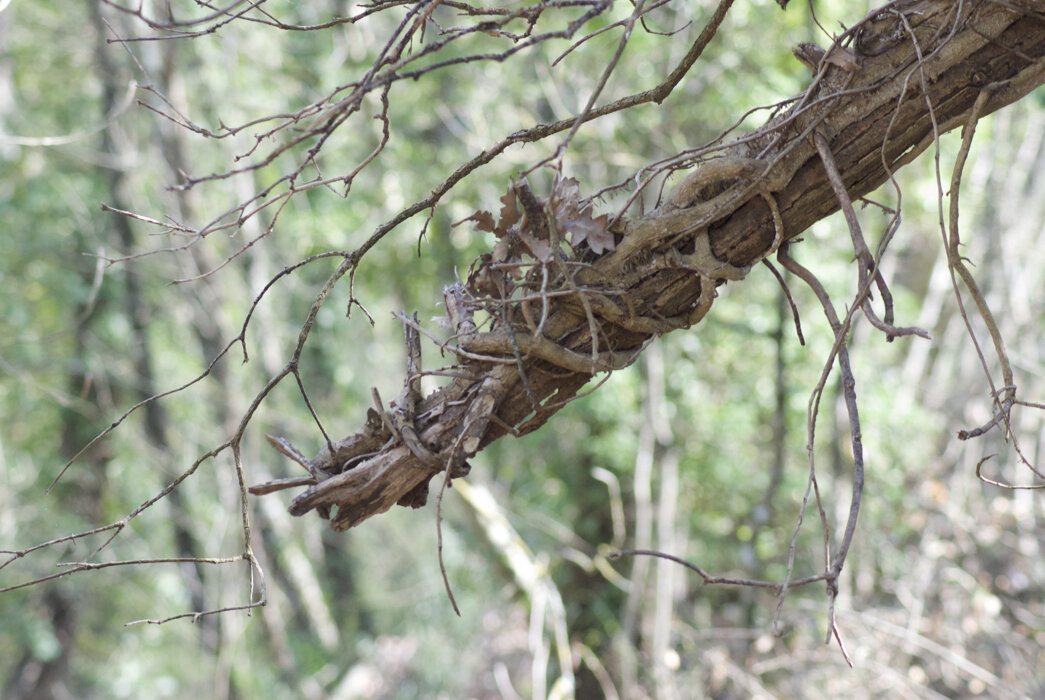
What is a naturally evolving forest
“In a naturally evolving forest, unlike what happens in a managed and cultivated forest, there are trees at different stages of development.
In these dynamic and continuously renewing ecosystems, old and senescent trees, due to natural disturbances, undergo a slow and inexorable decline that over time causes the accumulation of large quantities of dead wood in various forms: standing or fallen dead trees, broken trees of different sizes, broken branches, pieces of trunks, and stumps.
In natural forests, the abundance of dead wood, also known as necromass, has long been considered an indicator of degradation. Today, however, we know for certain that it represents a fundamental component for the maintenance and increase of biodiversity, playing a key role in triggering numerous ecological processes and representing a fundamental microhabitat for hundreds of species of vertebrates and invertebrates, which play important functional roles in the forest system.
Trees, therefore, play a crucial role not only in life, but also well beyond the duration of their biological cycle. With careful eyes, in fact, one can observe that trees that have died standing or fallen to the ground teem with life, thriving with insects and other invertebrates that accelerate the decomposition process.
In the woods, the inhabitants of dead wood, in different stages of decomposition, are made up of numerous species of invertebrates, fungi, bryophytes, lichens, amphibians, birds, and mammals, which depend on or use dead wood as a source of nourishment or shelter.
Some of the first "tenants" of trees are represented by xylophagous insects, that is, those that feed on dead wood: dead standing plants or trunks, which enjoy greater exposure to solar radiation even in winter, thus become refuges and habitats for an extraordinary number of organisms.
Fungi, bacteria, and other organisms then complete the work by decomposing the plant remains. Among the most effective decomposers are lignicolous fungi, which degrade woody material, thus releasing nutrients and organic matter into the forest litter, useful for the life and development of all plant organisms. This process contributes to the renewal of the forest serving as an ideal niche for the germination and development of many tree species.
Therefore, in addition to being a fundamental element for biodiversity, necromass plays a key role in the nutrient cycle, representing an important carbon reservoir and at the same time a reserve of energy that is made available again.
The remains of trees on the ground, finally, protect the soil from erosion by limiting the beating action of water, retaining moisture, and offering effective protection from freezing.
It follows that the long series of events and actions that take place in the woods up to the decay and decomposition of necromass, the result of the numerous and surprising relationships that occur between the different species, are to be protected and preserved.” (Taken from “From dead wood, the life of the forest” www.faggetevetuste.it ).
info@lamalcontentaeillupo.com
© La Malcontenta e Il Lupo
Design and Photo by Zuzù